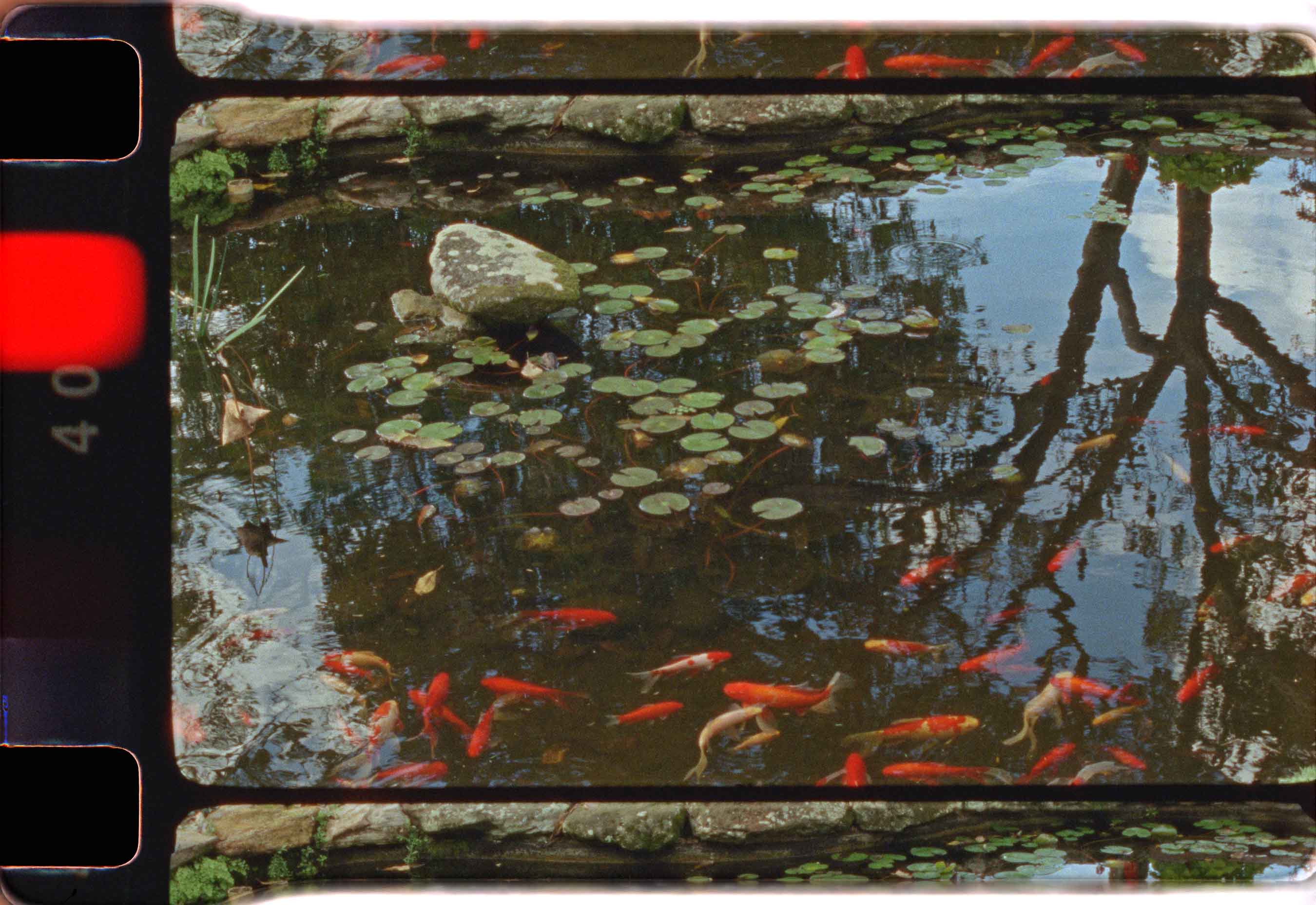
Shooting on film
After watching some videos on YouTube and Instagram of 16mm film cameras, the nostalgic colours, flickering light, the whirling sound of the camera motor, I knew it was a gateway to something magical. Something no computer, AI or digital device could ever provide. Shooting on film, you're chemically bonded to the scene in the moment, saving yourself a sunlight souvenir, a little keepsake you get to play back again. A tangible artifact baking nostalgia at 24 frames per second. So to experience the art form of filmmaking, to get closer to the science behind the process and to discover magic along the way, it meant obtaining a 16mm camera.
An edit of the first reel can be seen on my instagram.
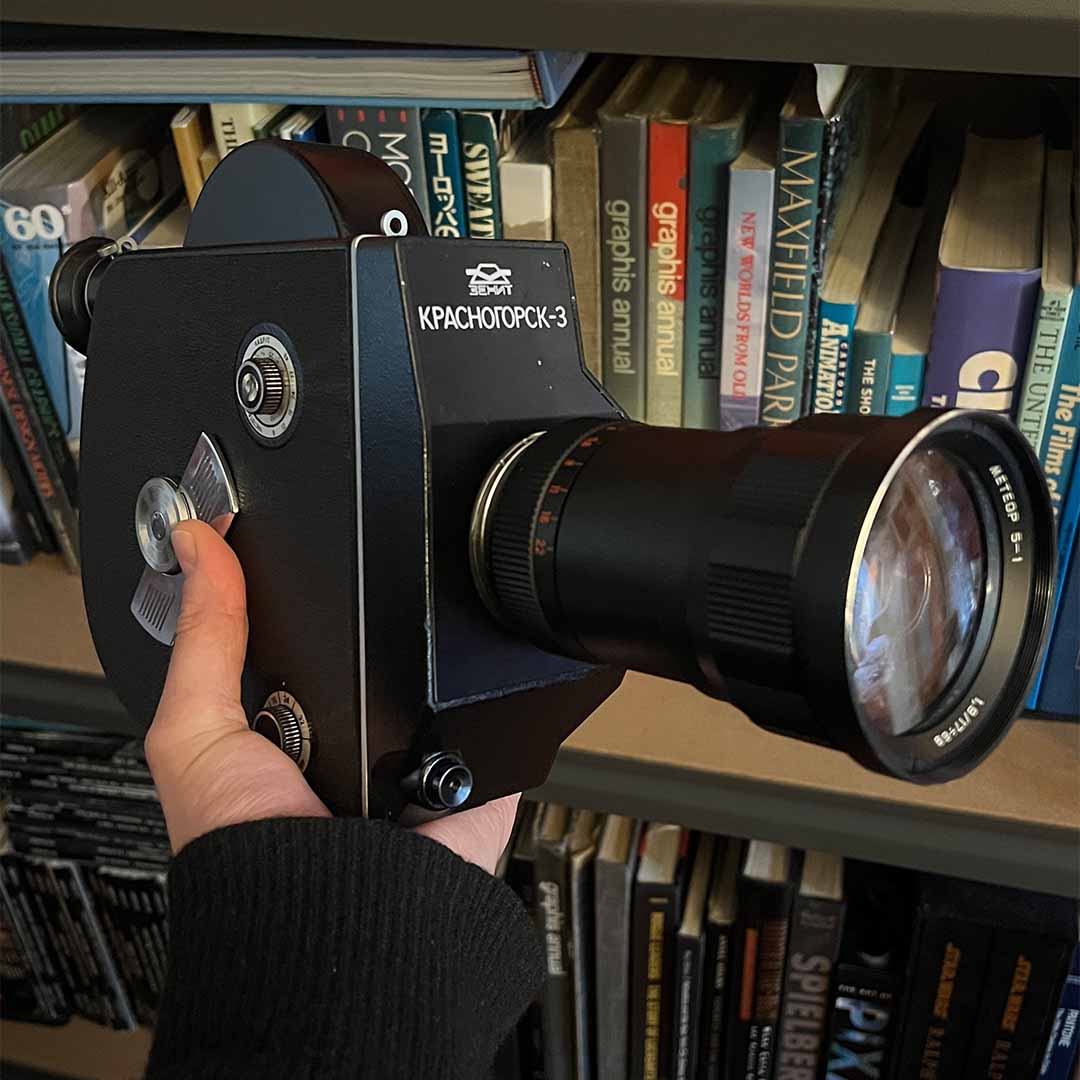
"Hearing the reel whirl past the film gate while squinting through the viewfinder is a sensory experience."
The camera
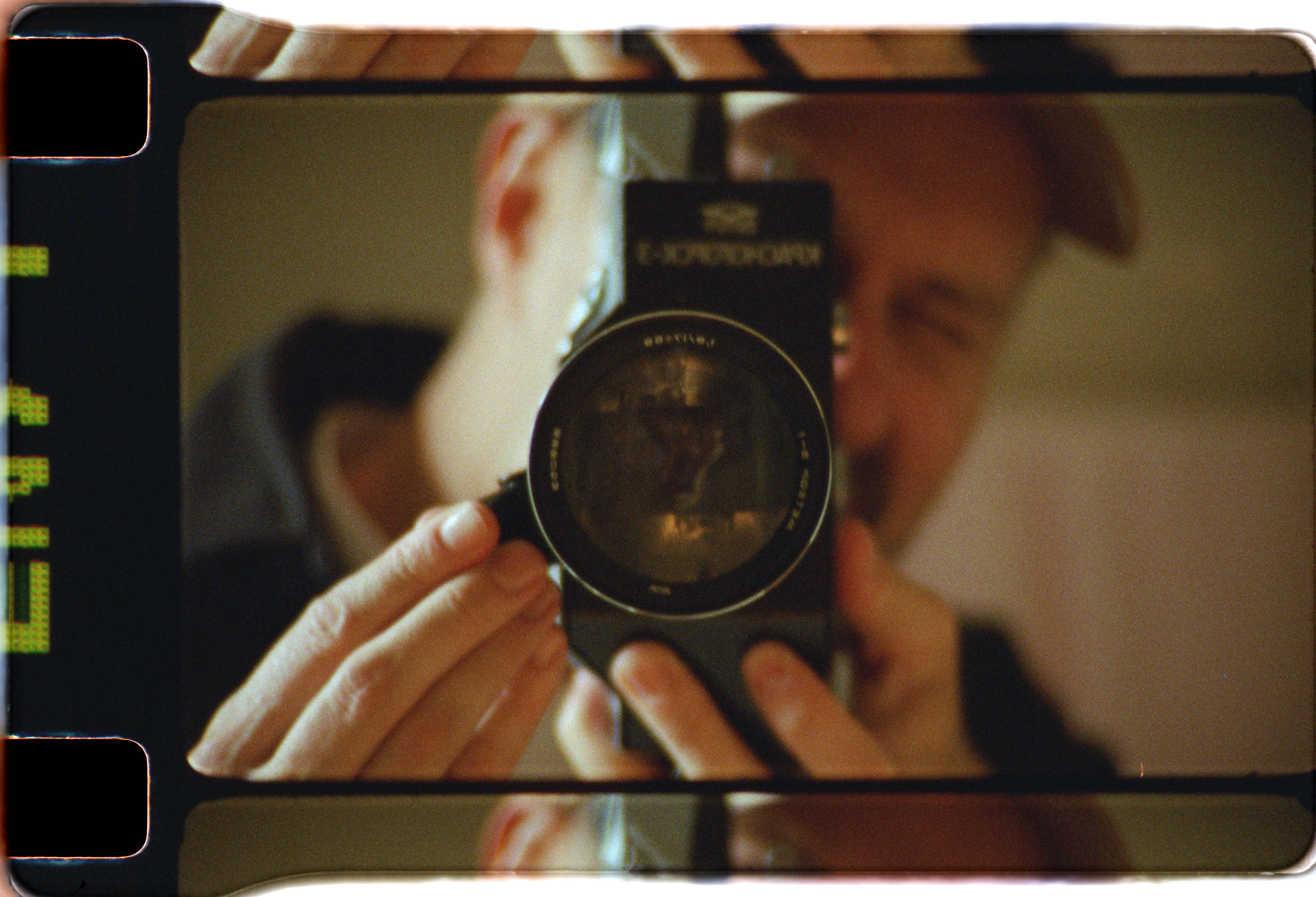
The Krasnogorsk-3 was the go, It was relatively inexpensive, self-winding, sturdy and reliable, Maksim was the guy. Restoring and modifying the camera to a Super 16mm format so you could get the perfect 16:9 crop from the reel. Maksim also converts the camera to a variety of lens mounting preferences. In my case, I chose the original Meteor 5-1 lens. This 17 - 69mm lens has a little lever for zooming in, perfect for crash zooms or more controlled zooms. Loading up the camera for the first time is incredibly satisfying as you pipe the film through the sprockets. Hearing the reel whirl past the film gate while squinting through the viewfinder is a sensory experience.
How to control the light
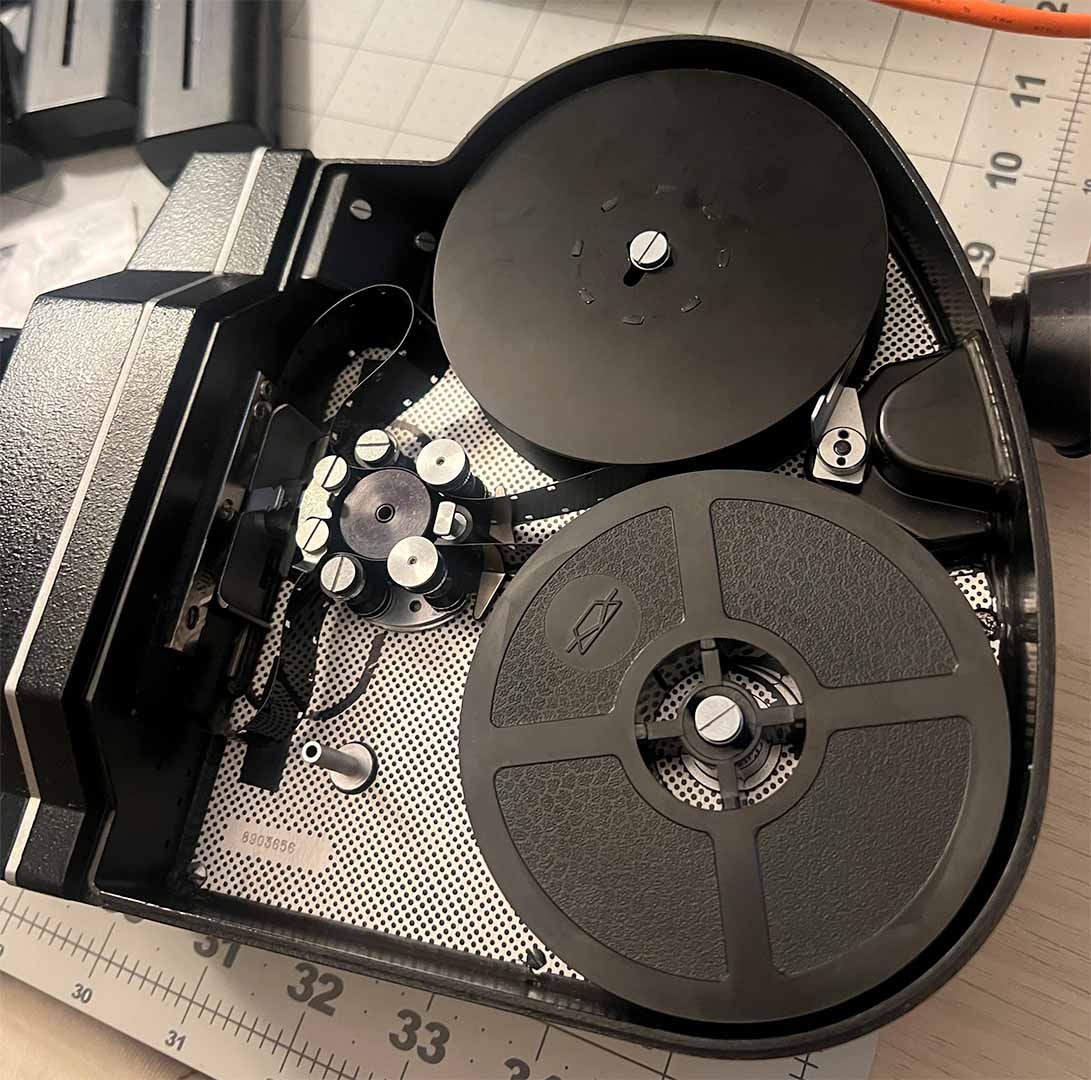
Early on it was clear that in order to get accurate lighting, colours and a decent picture, you would need to control and measure the light. Enter the Sekonic L-308X-U F Light Meter. After inputting your camera frame rate (24 fps) and chosen film speed (Kodak 250D) you have enough to evaluate the most balanced lighting for your film speed (250D is roughly 200 to 400 ISO, balanced for daylight). The only thing left to do is adjust your lens to around 4 aperture, since film can capture so much light and retain highlights well, it's advisable to go 2 stops under. In this example the meter reading was f-stop of 8. So a 4 aperture on the camera lens was therefore 2 stops overexposed.
Plugging the light leaks
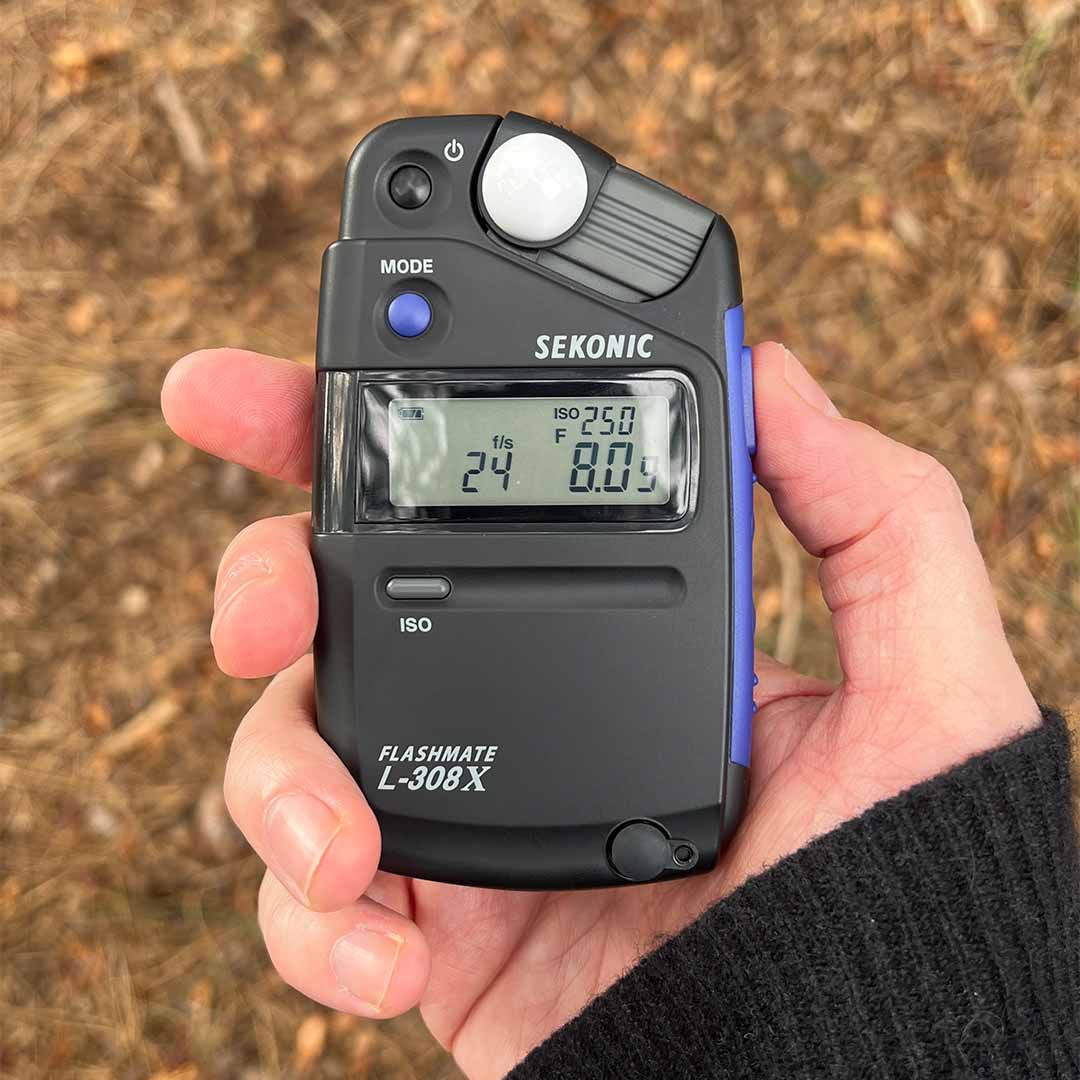
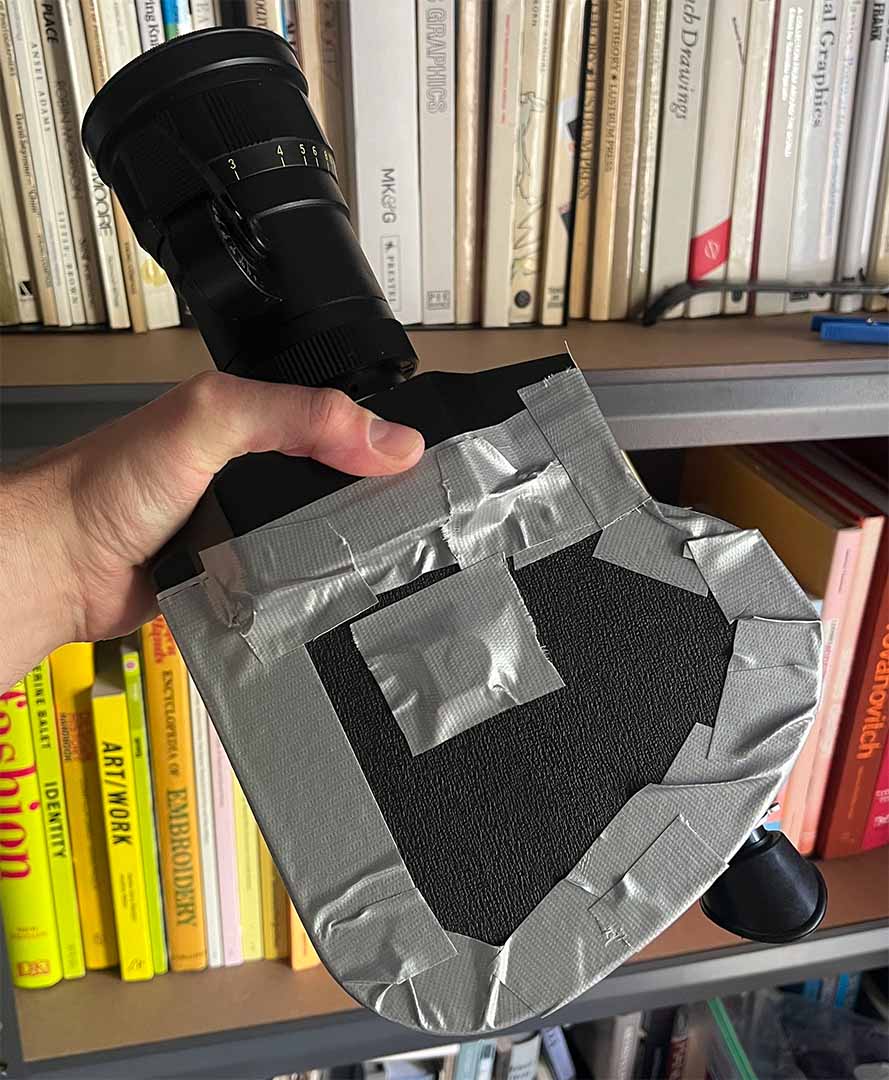
One other important step to controlling the light, taping every crevice up with tape. In order to keep the light focused on the lens direction, all light must be removed from entering any other path (which creates those orange glows on the sides of the reel). So while your camera ends up looking like it's come out of the emergency room. You can be assured that the film is safe in the dark.
Getting the film developed
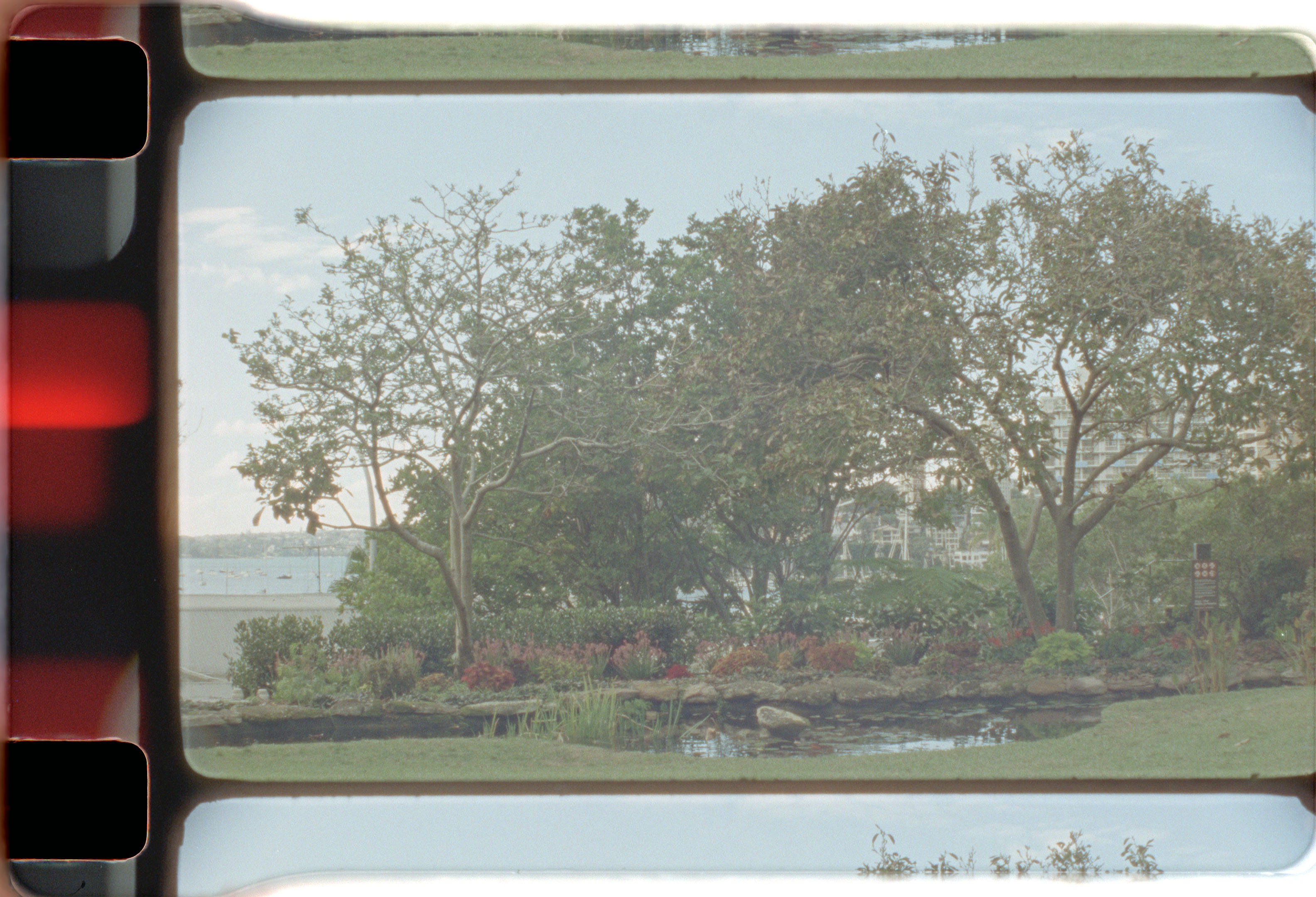
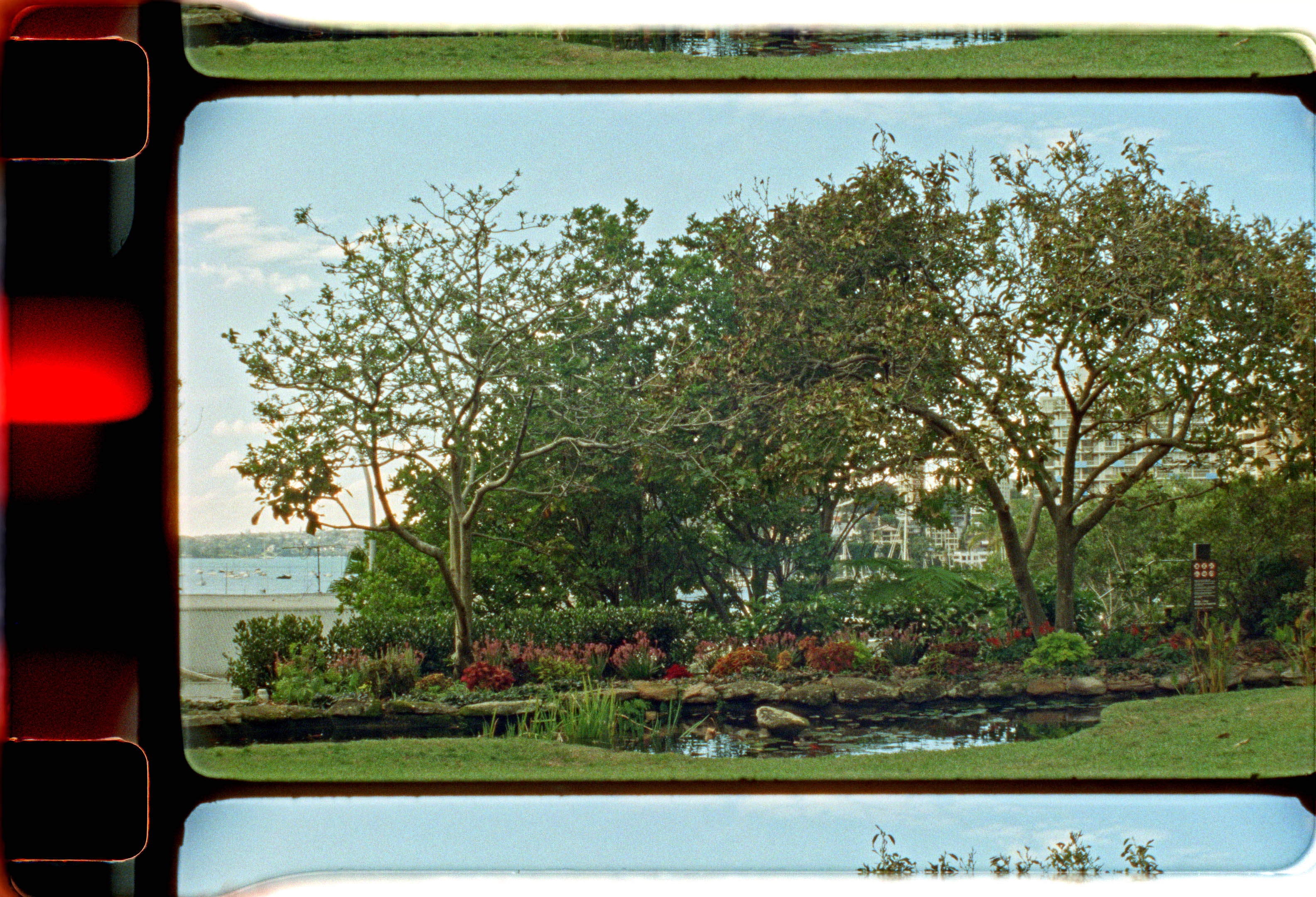
How do you get the film into a format you can actually use? You scan the film one frame at a time. As luck would have it, a 16/35mm film negative lab had just opened up nearby. Adi at Kritikem has an enormous Arriscan film scanner that can capture your reel at 6000px. Allowing you to obtain close crops. In this instance the 16mm size format didn't warrant a 6k scan, so 4k was more than enough to capture all the detail.
Reel limited
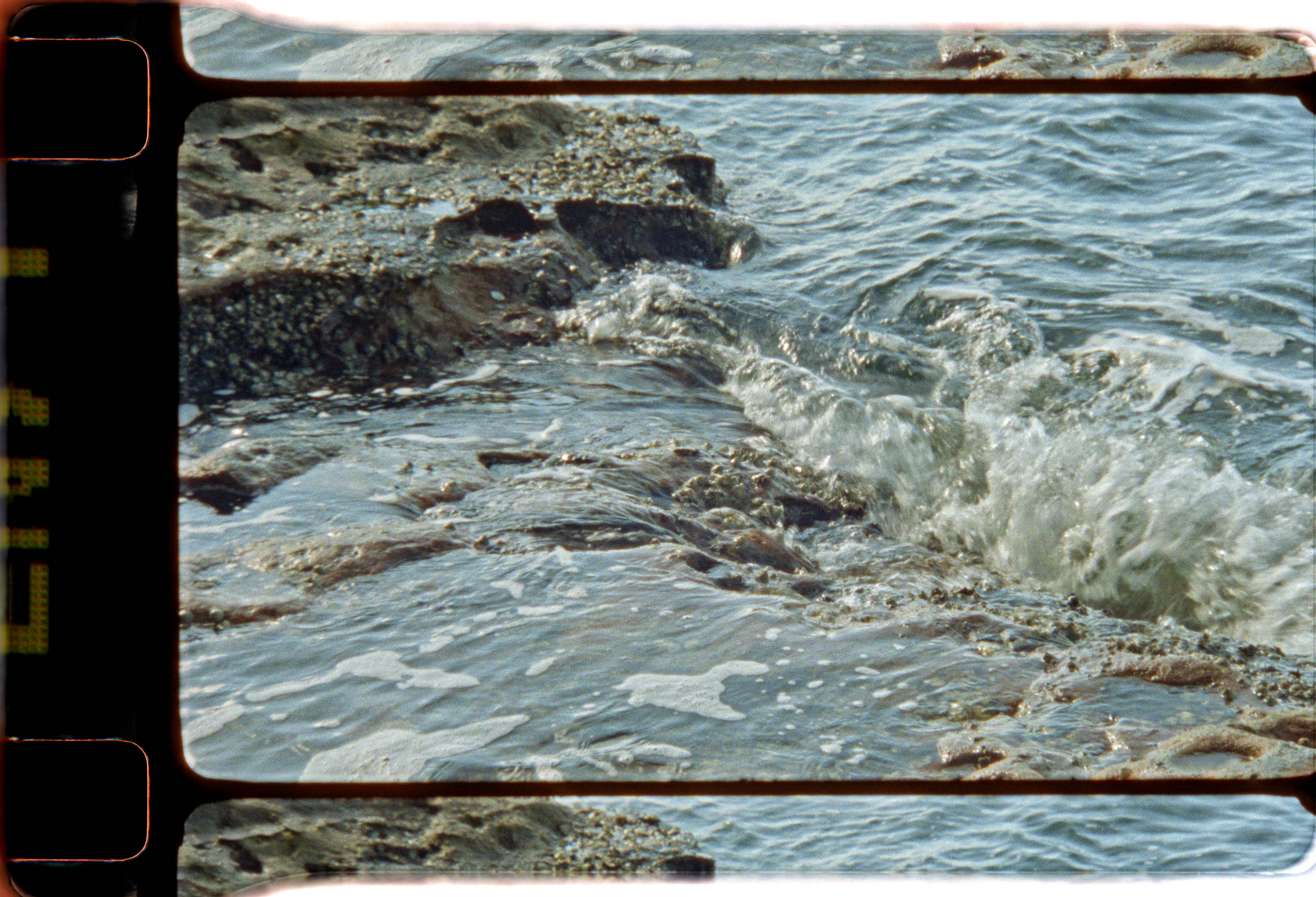
Once you hold down the shutter button. You quickly remember, you have a finite amount of film in the roll. 2 minutes and 46 seconds roughly. In order to try and get as many shots in a roll, I was only holding the trigger down for 1-2 seconds. But in the future a good 5 seconds would allow more options when editing.
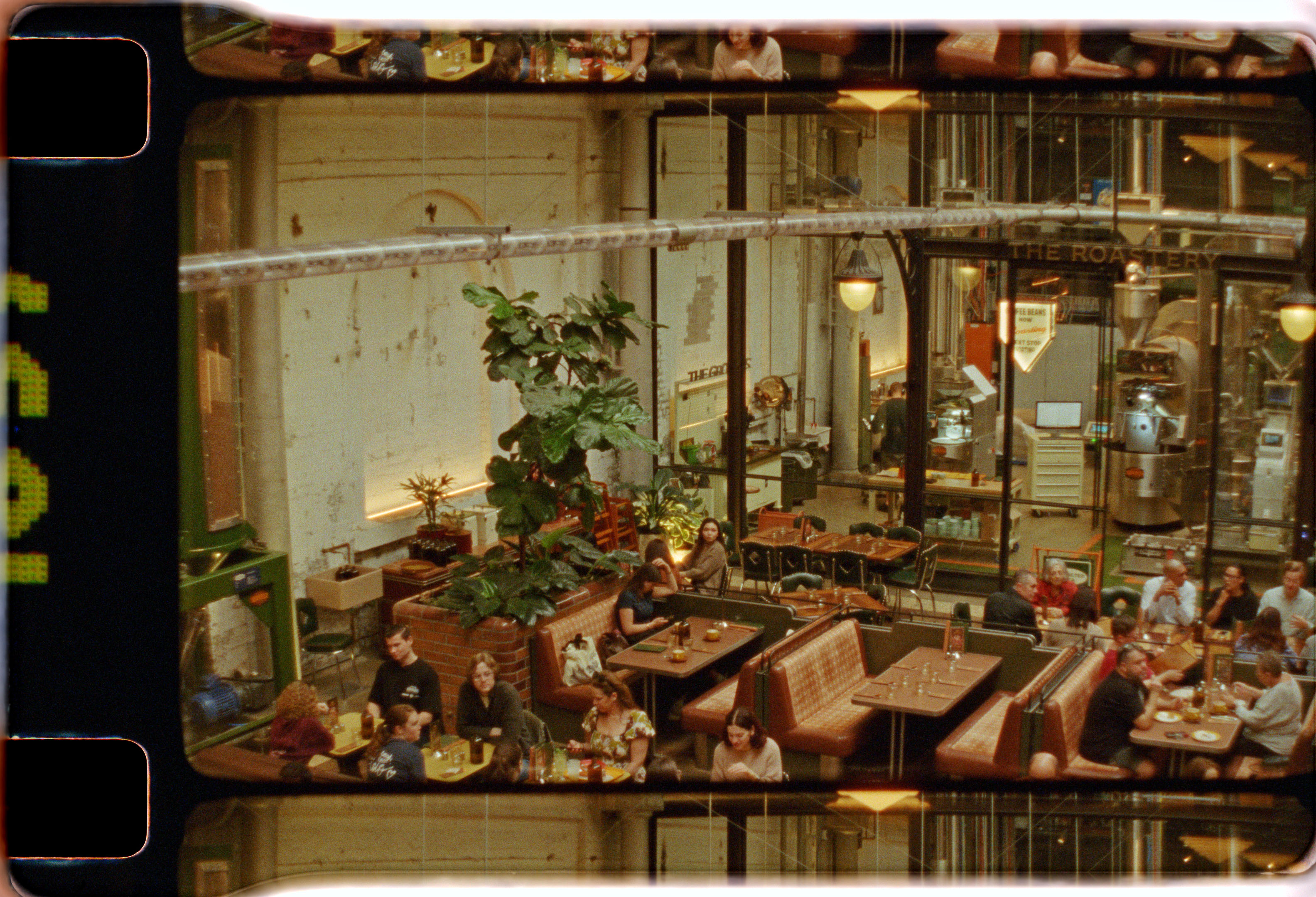
Indoors vs Outdoors
While the D in Kodak 250D stands for daylight, its nostalgic indoors, creating a nice orange colour cast. Ideally I would purchase a 500T film stock, the T standing for tungsten which balances the lighting more correctly for artificial lights.
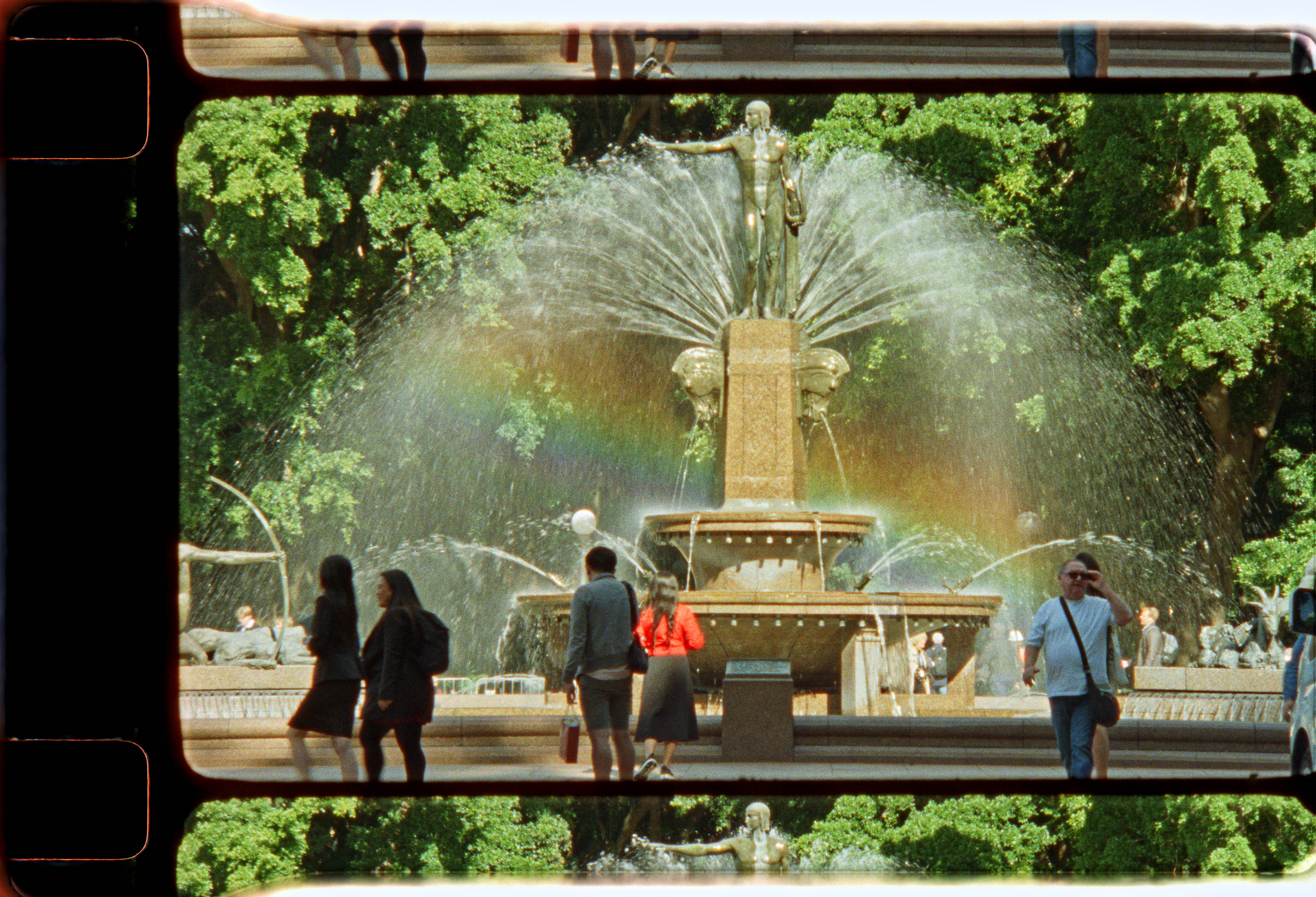
Tripod or not?
When shooting handheld, it's noticeable. While the motion blur is quite beautiful, it does help bolting the camera down and letting the frame pull in all the detail. You could potentially experiment with a stabiliser device. But for now a tripod does the trick.
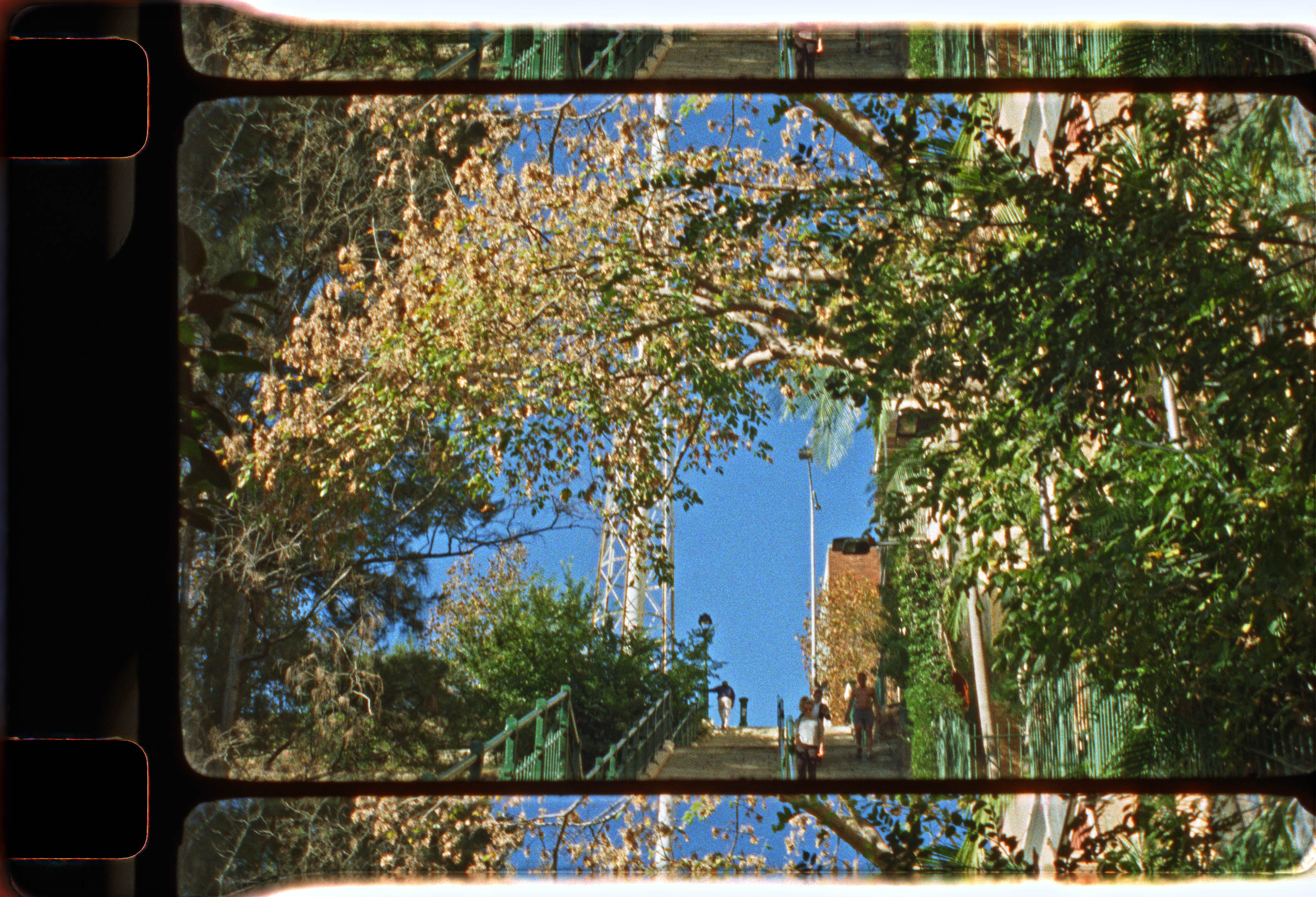
No cap
Another quick tip was to purchase a clip on lens cap. This meant a shot could be filmed within a minute. Lens cap off, capture correct lighting, get focus distance, shoot! Previously the lens cap was a screw on cap, meaning you could lose the shot if it was a matter of timing.
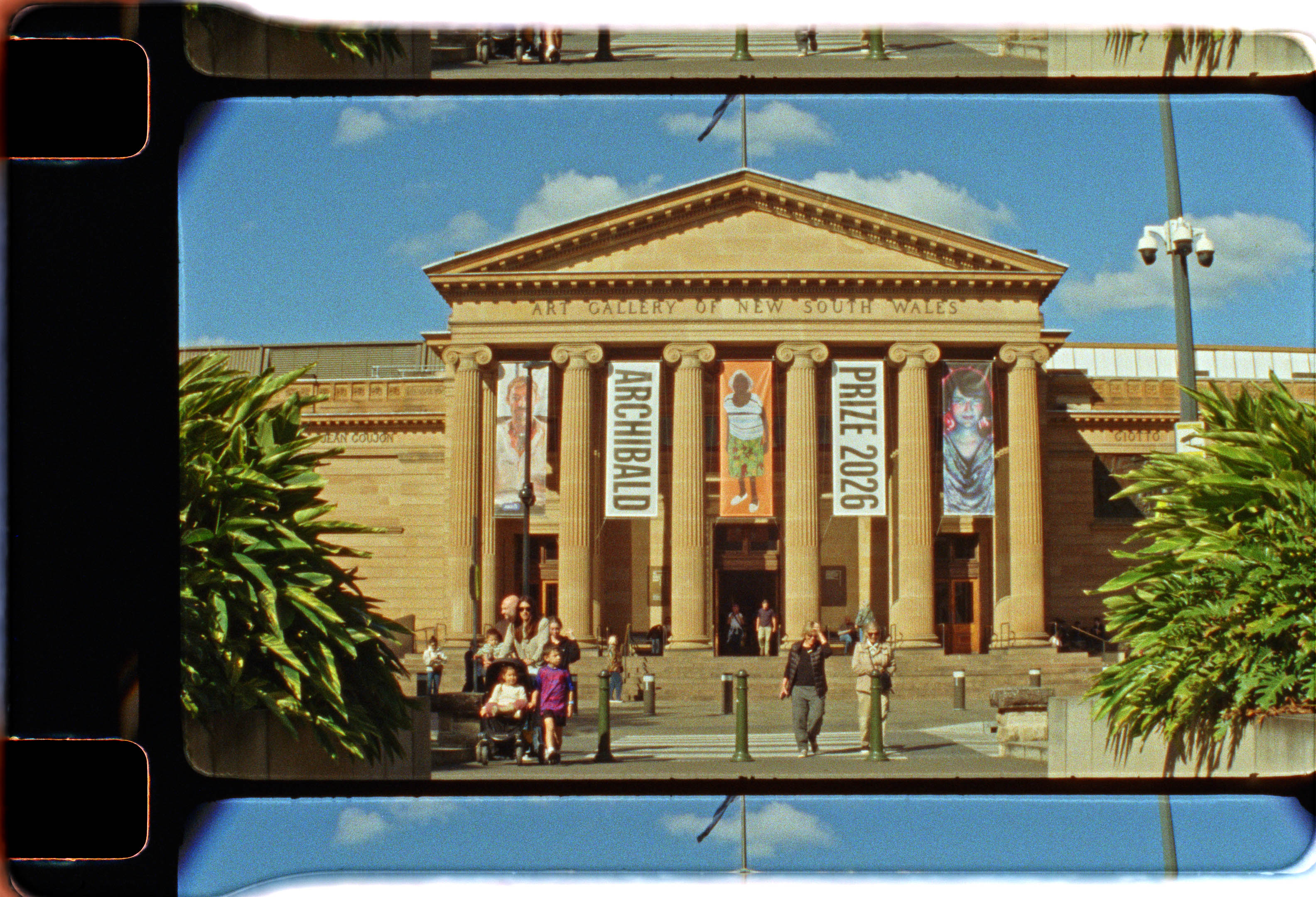
Open wide
When the Meteor lens is set to 17mm, you get some lens vignetting, or dark edges of the lens. Nothing a crop can't fix, but definitely something to consider.
What's next?
A short? A feature? Who knows. The main goal is to keep shooting, my next roll is Kodak 50D. A film stock so slow, grain so fine, that only the gigantic rays of the sun can bring it to life. So outside we go. Peeling myself off from the computer, camera and tripod in hand.